Author: Johanna Hershenson - Page 2

How Citizens in Banking-Restricted Countries Access Crypto Exchanges
Citizens in banking-restricted countries use VPNs, P2P trading, and no-KYC exchanges to access crypto despite government bans. From Nigeria to Vietnam, millions bypass financial controls using gift cards, hawala networks, and decentralized platforms - even as regulators tighten restrictions.

RUNE.GAME Airdrop Details: How the CoinMarketCap Campaign Worked and Why It’s Closed
The RUNE.GAME x CoinMarketCap airdrop in 2021 offered free NFTs to 1,000 users who completed social tasks. It’s now closed, and the game is offline. Learn how it worked, why it ended, and what to watch for in future crypto gaming airdrops.

Underground Crypto Trading in China: Risks and Reality
Despite a total ban on crypto trading since 2021, underground markets in China moved $86.4 billion in crypto last year. This is how it works, who's doing it, and why it won't stop.

How Whale Activity Moves Crypto Prices: Real Patterns, Risks, and Strategies
Crypto whales control billions in digital assets and can swing prices with a single trade. Learn how they manipulate markets, which coins are most at risk, and how to protect your portfolio from their moves.

EGLD Maiar EarnDrop Airdrop by MultiversX: What We Know About the Token Distribution
The EGLD Maiar EarnDrop isn't a traditional airdrop - it's a reward system for active stakers on MultiversX. Learn how to qualify, what to do now, and why passive holding won't get you anything.

SHF CMC X SHIBAFRIEND SHIBA METAVERSE NFT Airdrop: How to Participate and What You Get
Learn how to enter the SHF CMC X SHIBAFRIEND SHIBA METAVERSE NFT airdrop, what you’ll win, and whether it’s worth your time. No fluff. Just facts.

Uniswap v3 on Polygon: A Real-World Review of Speed, Cost, and Liquidity
Uniswap v3 on Polygon delivers low-cost, high-speed crypto trading with concentrated liquidity. Learn how it works, who it's for, and whether it's worth the learning curve.
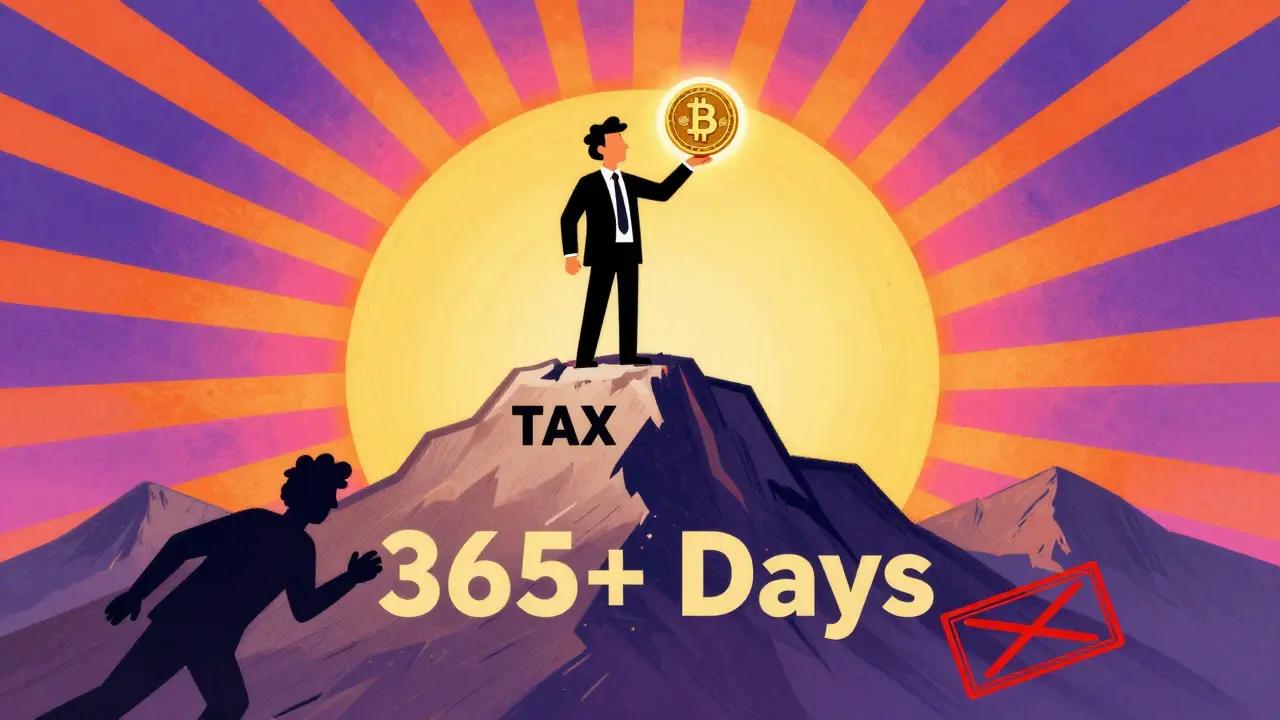
Portugal Crypto Tax Benefits for Bitcoin Investors: What You Need to Know in 2026
Portugal offers one of Europe's most favorable crypto tax environments for Bitcoin investors: tax-free long-term gains, 28% flat rate on short-term trades and passive income, and no tax on crypto-to-crypto swaps. Learn how to maximize your benefits in 2026.

Privacy Coins Face EU Ban in 2027: What Monero and Zcash Users Need to Know
The EU is banning Monero and Zcash by July 2027 under new anti-money laundering rules. Find out what this means for your crypto holdings, how the ban works, and what you can do before the deadline.

When to HODL and When to Sell: A Practical Guide for Crypto Investors
Learn when to hold crypto long-term and when to sell based on data, not emotion. Discover the 3 rules of HODLing, 4 signs to sell, and how top investors lock in profits without missing future gains.

Risk-Reward Ratio in Crypto Trading: How to Use It to Stay Profitable
Learn how to use the risk-reward ratio in crypto trading to stay profitable. Discover how to calculate it, why 2:1 is the minimum, and how top traders use it to win consistently.
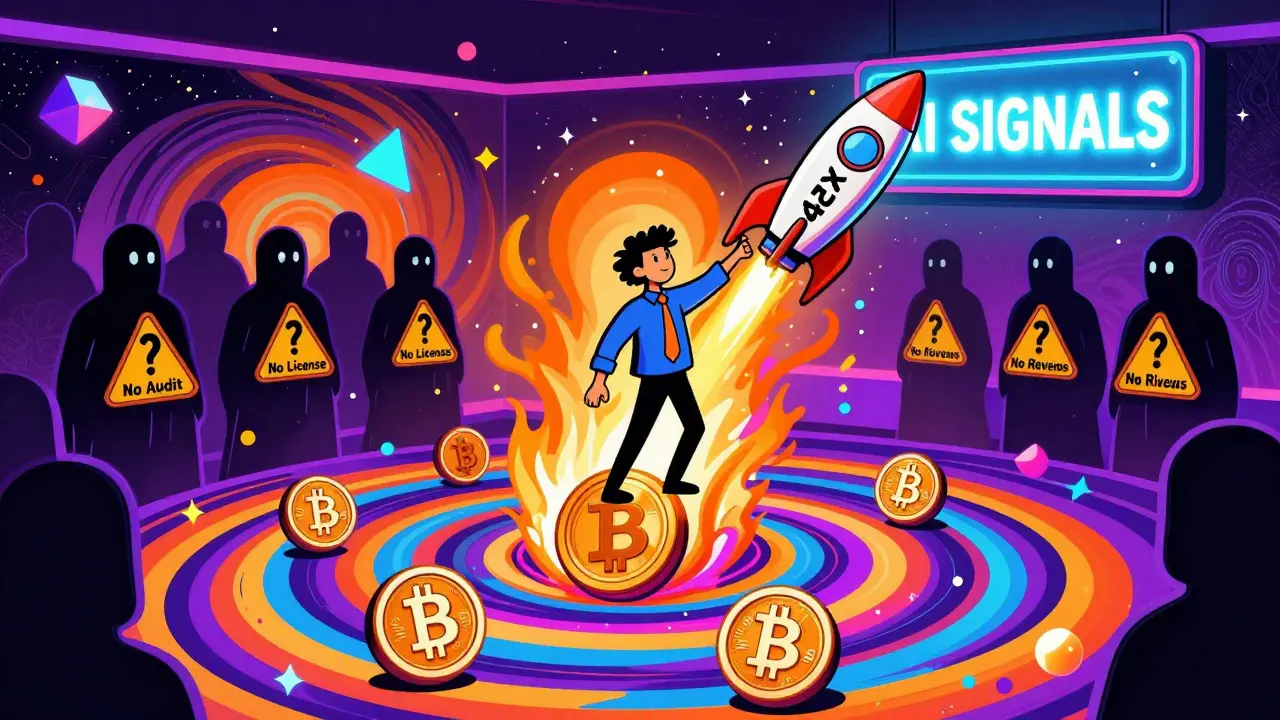
Aibit Crypto Exchange Review: High Leverage, AI Tools, and Hidden Risks
Aibit crypto exchange offers 425x leverage and AI tools, but lacks audits, user reviews, and regulatory proof. High risk for beginners, only suitable for experienced traders who understand extreme leverage dangers.