Decentralized Storage: What It Is and How It’s Changing Crypto
When you upload a photo or file to the internet, it doesn’t just disappear into the cloud—it sits on a server owned by a company like Google, Amazon, or Microsoft. Decentralized storage, a system that spreads data across thousands of independent computers instead of centralized servers. Also known as peer-to-peer storage, it removes the middleman and puts control back in your hands. No single company can shut it down, censor it, or sell your data. That’s why it’s becoming the backbone of Web3 apps, crypto wallets, and secure file sharing.
Two big names in this space are IPFS, a protocol that lets you store and share files using their unique content hash instead of a location and Filecoin, a blockchain-based network where users earn crypto by renting out unused hard drive space. IPFS finds files by what they are, not where they’re stored. Filecoin pays people to keep those files alive. Together, they make data resilient—even if one server fails, the file still exists elsewhere. This isn’t theoretical. Projects like Arweave and Storj use similar ideas to host websites, NFT metadata, and even entire apps without relying on Amazon Web Services.
Why does this matter for crypto users? Because your wallet, your NFTs, and your digital identity all need somewhere to live. If you store your NFT’s image on a regular server, and that server goes offline, your NFT becomes just a link to nothing. Decentralized storage fixes that. It’s why NFT marketplaces now push for IPFS links. It’s why crypto projects avoid cloud storage like the plague. And it’s why security-focused users are moving away from Google Drive and Dropbox for anything important.
You’ll find posts here that dig into real-world cases: how decentralized storage keeps AI training data tamper-proof, how it powers private messaging apps, and why some crypto exchanges are starting to use it for backup. You’ll also see warnings about scams—like fake storage tokens promising high returns with no real infrastructure. This isn’t just tech jargon. It’s about who owns your data, who can access it, and whether your digital life can vanish overnight. The shift is already happening. The question is: are you ready for it?
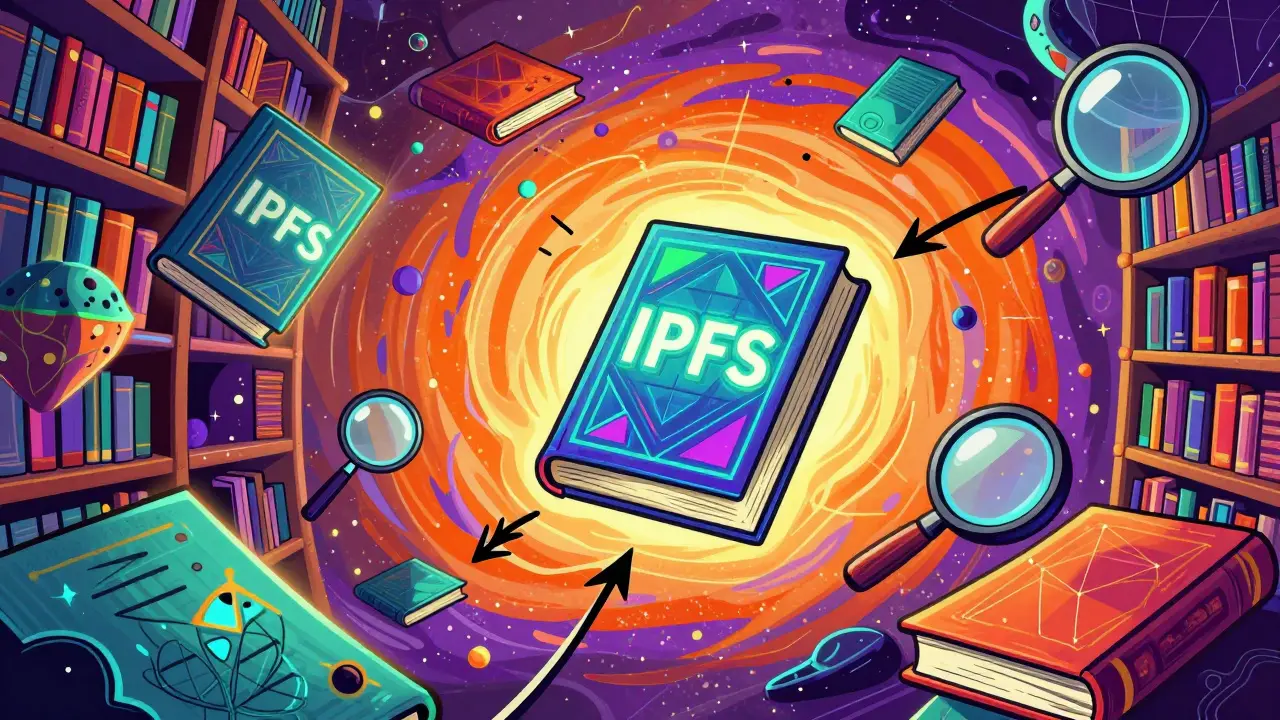
IPFS vs Arweave vs Filecoin: Which Decentralized Storage Solution Is Right for You?
IPFS, Arweave, and Filecoin offer different approaches to decentralized storage. Learn which one is best for permanent data, temporary storage, or quick access-without the risks of cloud providers.