
You’ve probably seen them. Those pixelated faces on Twitter. The bored apes staring back at you from Instagram. The colorful doodles that seem to have a mind of their own. These aren’t just random avatars. They are PFP NFTs, or Profile Picture Non-Fungible Tokens. They represent one of the most visible and debated corners of the blockchain world.
If you think these are just expensive JPEGs, you’re missing half the story. For many, a PFP is a digital passport. It signals membership in exclusive clubs, grants access to real-world events, and serves as a verifiable piece of ownership in an internet where everything else is easily copied. But with the hype cycle cooling down since the 2021 peak, what actually makes a PFP collection valuable? And is it still worth your time and money in 2026?
What Exactly Is a PFP NFT?
Let’s break down the acronym. PFP stands for "Picture-for-Profile." In the context of blockchain, this refers to a specific type of non-fungible token designed primarily to be used as a user’s avatar or profile image across social media platforms.
Unlike a standard photo you upload to Facebook, a PFP NFT lives on a decentralized ledger, usually Ethereum. This means its ownership history is public, immutable, and verifiable by anyone. When you buy a PFP, you aren’t just downloading an image file. You are acquiring a unique cryptographic key that proves you own that specific digital asset.
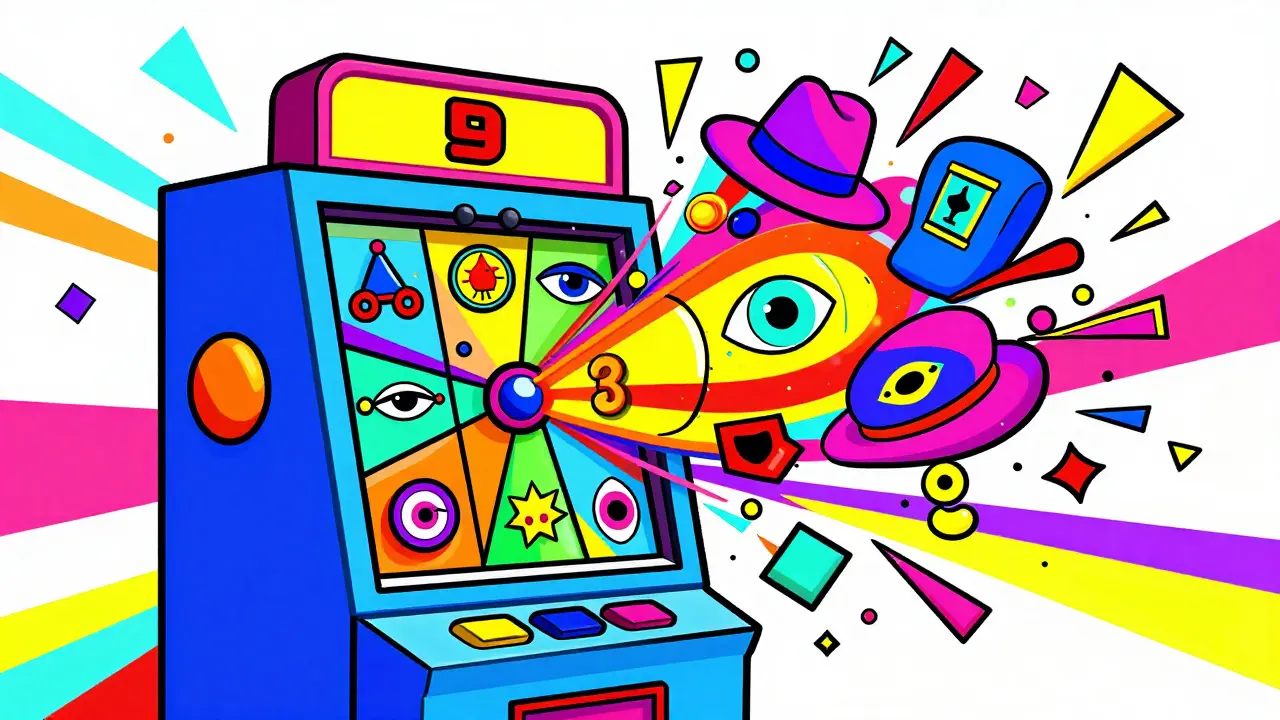
The magic lies in the generation process. Most major PFP collections don’t have artists drawing every single character by hand. Instead, they use generative algorithms. Think of it like a slot machine for art. Developers create layers of traits-backgrounds, skin tones, hats, eyes, accessories-and assign rarity weights to each. The algorithm then randomly combines these layers to produce thousands of unique images. No two are exactly alike.
This system creates a natural scarcity model. If a collection has 10,000 tokens, and only 50 have a "Golden Crown" trait, that crown becomes highly sought after. This rarity mechanic is borrowed directly from trading cards, but applied to digital identity.
The Origin Story: From CryptoPunks to Mainstream Mania
To understand where we are, we need to look back at where it started. The grandfather of all PFP collections is CryptoPunks. Launched in June 2017 by Larva Labs, this project consisted of 10,000 unique 24×24 pixel art characters. At the time, they were free. You didn’t even pay minting fees; you just claimed them. They sat quietly for years, largely unnoticed by the broader crypto community.
Everything changed in 2020. As NFTs began gaining traction, collectors realized the historical significance of CryptoPunks. They were first-movers. They had a fixed supply. They were culturally iconic. Prices skyrocketed. By 2021, the floor price (the lowest price available for any Punk) was in the hundreds of thousands of dollars. Today, owning a CryptoPunk is less about the art itself and more about holding a piece of internet history. It’s the Mona Lisa of the NFT space.
CryptoPunks paved the way for the next wave. In April 2021, Yuga Labs launched Bored Ape Yacht Club (BAYC). Unlike the static pixel art of Punks, BAYC featured high-quality, hand-drawn style illustrations of apes. But the real innovation wasn’t the art-it was the utility. Owning an ape gave you access to a private Discord, collaborative art projects, and eventually, intellectual property rights to commercialize your ape’s likeness. Celebrities like Justin Bieber and Snoop Dogg jumped on board, bringing mainstream attention to the concept.
Then came Doodles, with their bright, playful aesthetic, and Mutant Ape Yacht Club, which allowed existing BAYC holders to mutate their apes into new variants. These collections proved that PFPs could be brandable, marketable, and deeply integrated into community culture.
Why Do People Buy Them? Beyond the Hype
If you ask a casual observer why someone would spend $50,000 on a cartoon monkey, they’ll likely say it’s insanity. But for participants in the ecosystem, the value proposition is multifaceted.
- Social Signaling: In the early days of Web3, your PFP was your resume. It showed you were part of the tribe. It signaled technical literacy, financial capacity, and cultural awareness. On platforms like Twitter (now X), changing your profile picture to a Bored Ape instantly connected you with thousands of other holders.
- Community Access: Many PFP projects function as gated communities. Holding the NFT acts as a ticket. You get access to exclusive Discord channels, virtual meetups, and sometimes real-world parties. It’s a digital country club.
- Utility and Benefits: Over time, projects added tangible benefits. Free merchandise, whitelist spots for future mints, revenue sharing from secondary sales, and even governance rights in Decentralized Autonomous Organizations (DAOs).
- Speculation: Let’s be honest. Many buyers hope the value goes up. The scarcity model suggests that if demand increases and supply remains fixed, prices should rise. However, this is a high-risk strategy, as we’ll discuss later.
How Generative Art Works: The Tech Behind the Traits
Understanding how PFPs are created helps you evaluate their quality and rarity. Here’s a simplified breakdown of the generative process:
- Layer Creation: Artists design individual components. For example, there might be 50 different hat designs, 30 eye styles, and 20 background colors.
- Rarity Assignment: Each trait is assigned a probability. Common traits (like a blue background) might appear in 20% of the collection. Rare traits (like a laser eye) might appear in only 0.1%.
- Algorithmic Combination: A script runs through the entire collection size (e.g., 10,000 times). For each iteration, it randomly selects one trait from each layer based on the assigned probabilities.
- Minting: The final image is hashed and recorded on the blockchain. The metadata-including the list of traits-is stored off-chain (usually on IPFS) and linked to the token.
This process ensures true randomness. Even the creators don’t know which combination will end up being the rarest until the mint is complete. This unpredictability adds to the excitement and collectibility.
| Collection | Supply Size | Art Style | Key Utility | Approx. Floor Price (2026) |
|---|---|---|---|---|
| CryptoPunks | 10,000 | Pixel Art | Status Symbol, History | $350,000+ |
| Bored Ape Yacht Club | 10,000 | Hand-Drawn Apes | IP Rights, Community, Merch | $30,000 - $50,000 |
| Doodles | 10,000 | Colorful Doodles | Licensing, Media Partnerships | $5,000 - $8,000 |
| Azuki | 10,000 | Anime-Inspired | Storytelling, Ecosystem Expansion | $3,000 - $6,000 |
Risks and Realities: What Could Go Wrong?
It’s crucial to approach PFP NFTs with clear eyes. The market is volatile, speculative, and fraught with risks.
Market Volatility: NFT prices are tied closely to cryptocurrency markets, particularly Ethereum. When ETH drops, NFT floors often follow. During the 2022 bear market, many PFP collections saw their values drop by 90% or more. While blue-chip collections like BAYC recovered partially, many smaller projects never did.
Liquidity Issues: Unlike stocks, you can’t always sell your NFT instantly. Finding a buyer at your desired price can take weeks or months. If you need cash quickly, you may have to accept a steep discount.
Scams and Rug Pulls: The barrier to entry for creating a PFP collection is low. Malicious actors can launch a project, hype it up, collect millions in mint sales, and then disappear without delivering promised utilities. Always verify the team behind a project. Look for doxxed (publicly identified) founders, active development, and transparent roadmaps.
Environmental Concerns: Although Ethereum transitioned to Proof-of-Stake in 2022 (reducing energy consumption by ~99.95%), some users still associate NFTs with high carbon footprints. Newer chains like Solana or Polygon offer lower-cost, lower-energy alternatives, but Ethereum remains the dominant platform for high-value PFPs.
How to Get Started: A Practical Guide
If you’re interested in exploring PFP NFTs, here’s a step-by-step approach to doing it safely and smartly.
- Set Up a Wallet: Download a reputable self-custody wallet like MetaMask or Phantom. Never share your seed phrase with anyone. Write it down on paper and store it securely.
- Fund Your Wallet: Purchase Ethereum (ETH) or another relevant cryptocurrency from a centralized exchange like Coinbase or Binance, then transfer it to your wallet. Keep extra funds for gas fees (transaction costs).
- Research Projects: Don’t buy blindly. Use tools like Etherscan, OpenSea, and Rarity.tools to analyze a collection’s history, holder distribution, and trait rarities. Join their Discord and Twitter to gauge community sentiment.
- Start Small: If you’re new, consider buying a lower-priced PFP from a reputable mid-tier collection rather than chasing blue chips. This lets you learn the mechanics of transferring, listing, and managing NFTs without significant financial risk.
- Verify Authenticity: Only interact with official contract addresses. Scammers often create fake websites with similar URLs. Double-check links from official social media accounts.
The Future of PFPs: Beyond Profile Pictures
The role of PFP NFTs is evolving. We’re moving past the era of simple status symbols toward functional digital identities.
Metaverse Integration: As virtual worlds expand, your PFP may become your avatar in gaming environments, virtual conferences, and social spaces. Imagine walking into a virtual concert wearing your Azuki skin.
Decentralized Identity (DID): PFPs are being explored as anchors for decentralized identity systems. Your NFT could verify your age, credentials, or reputation across different platforms without revealing personal data.
AI and Dynamic NFTs: Emerging technologies allow NFTs to change over time based on external data. A PFP could react to weather, stock market performance, or your activity in a game. AI-generated variations add another layer of uniqueness and interactivity.
The long-term viability of PFPs depends on sustained utility. Collections that merely rely on speculation will fade. Those that build genuine communities, deliver consistent value, and integrate seamlessly into digital life will endure.
Are PFP NFTs a good investment?
PFP NFTs are highly speculative assets. While some collections like CryptoPunks and BAYC have appreciated significantly, many others have lost most of their value. Treat them as high-risk investments similar to venture capital or gambling, not stable savings. Only invest what you can afford to lose.
What happens if I lose my private key?
If you lose your private key or seed phrase, you permanently lose access to your wallet and all assets within it, including your PFP NFTs. There is no customer support to recover it. This is why secure backup practices are critical.
Can I use my PFP NFT commercially?
It depends on the project’s terms. Some collections, like Bored Ape Yacht Club, explicitly grant holders commercial rights to their specific NFT’s image. Others restrict usage to personal display only. Always read the project’s whitepaper or legal documentation before using your PFP for merchandising or branding.
What is the difference between a PFP and regular digital art?
Regular digital art is often sold as a single unique piece or limited edition. PFPs are typically part of large generative collections (e.g., 10,000 items) with randomized traits. PFPs emphasize community membership and utility alongside artistic value, whereas traditional digital art focuses more on the artist’s vision and singular expression.
Do I need to know coding to buy a PFP NFT?
No, you don’t need coding skills. You do need basic digital literacy: setting up a crypto wallet, buying cryptocurrency, and navigating marketplace interfaces. Many resources and tutorials are available online to help beginners through these steps.
Alexis Abster
June 6, 2026 AT 01:07Oh my god, this is exactly the kind of deep dive I needed to see right now! It feels like everyone just talks about the money without understanding the actual culture or the tech behind it. The part about generative algorithms being like a slot machine for art? That clicked for me instantly. I always wondered how they made sure no two were alike but still kept that cohesive look. It’s wild to think that code is basically painting here.
I remember back in 2021 when my friend bought an Ape and I thought he was losing his mind, but seeing the community aspect described here makes so much more sense. It’s not just a JPEG, it’s a key to a club. Like, literally a digital country club. I wish more people understood that nuance instead of just calling it a scam. The future with AI and dynamic NFTs reacting to weather or stocks? That sounds absolutely insane in the best way possible. Imagine your avatar changing based on your mood or daily activity. We are living in the future folks!
Madhu Menon
June 7, 2026 AT 01:31The philosophical implication of ownership in a digital realm is quite profound :-)
We are witnessing the birth of a new ontology where value is derived not from physical utility, but from consensus and identity. The shift from 'having' to 'being' via these tokens is significant. It challenges the very notion of scarcity in an age of infinite replication.
Caitlin Donahue
June 7, 2026 AT 10:13i mean its cool and all but i still dont get why u need a blockchain for a profile pic lol. seems like overkill to me. just upload a png to twitter like normal ppl
Narendra Kulkarni
June 7, 2026 AT 16:42Hi there! Its actually about provable ownership and scarcity. In normal internet, anyone can copy paste ur image. But with NFT, the ledger shows who owns the original. Also the community benefits r real, like access to events and merch. Not just for show.
verna kennedy
June 9, 2026 AT 16:28Let us be clear: most of these projects are financial traps designed to exploit FOMO. While the technology has merit, the market is saturated with low-effort collections that will vanish as soon as the hype dies. Do not mistake speculation for investment. The majority of holders lose money. Read the whitepaper, check the team, and if you cannot afford to lose it all, stay away entirely.
Kelly Tenney
June 11, 2026 AT 00:42I really appreciate how this guide breaks down the risks honestly. So many articles just try to sell you the dream without mentioning the rug pulls or liquidity issues. It’s important to start small and learn the mechanics first, like setting up a wallet safely. I’m excited to see how decentralized identity evolves though. Using your PFP as a verifiable credential across platforms could be a game changer for privacy and security online. Let’s keep learning and supporting the projects that deliver real value!
Caralee Robertson
June 11, 2026 AT 23:11the environmental part is soo important too. glad eth switched to proof of stake. makes me feel better abt buying stuff sometimes. still scary tho with all the scams out there. gotta be super careful with seed phrases!