
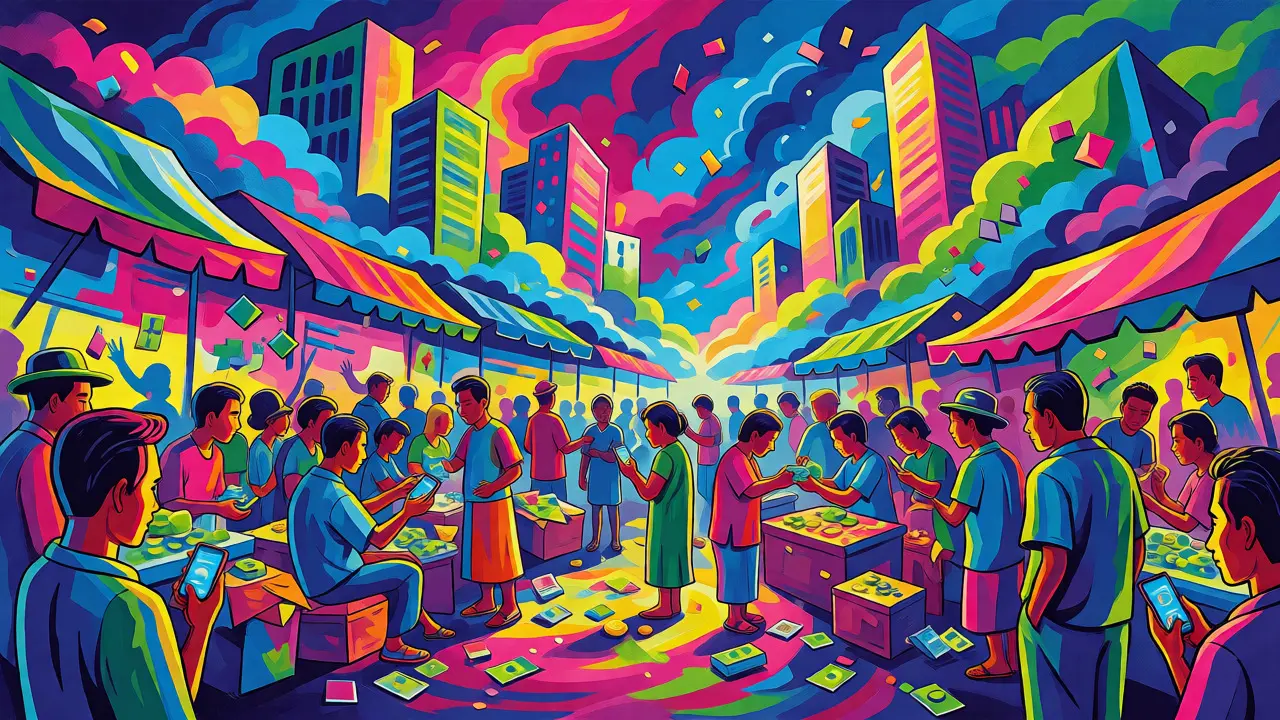
Imagine trying to send money home while your government has literally banned the currency you are using. For millions of people in Nigeria, Vietnam, or Algeria, this isn't a hypothetical scenario-it’s Tuesday. When traditional banks block crypto transactions or governments outright ban digital assets, P2P crypto platforms become the lifeline that keeps financial systems breathing. These aren't just trading sites; they are parallel economies operating in the shadows of strict regulation.
You might think a ban stops everything. It doesn’t. It just pushes activity underground and onto peer-to-peer networks. If you live in a restricted country, or you’re moving funds there, you need to know how these platforms work, where the traps are, and which ones actually let you cash out without getting your bank account frozen. This guide cuts through the noise to show you exactly how to navigate P2P trading when the rules seem stacked against you.
Why P2P Wins Where Banks Fail
In regulated markets like the US or Germany, you log into Coinbase, buy Bitcoin with your credit card, and go about your day. Simple. In restricted jurisdictions, that path is blocked. Central banks often prohibit commercial banks from facilitating crypto purchases. So, where does the liquidity come from? It comes from other humans.
Peer-to-Peer (P2P) trading connects buyers and sellers directly. One person wants to sell Bitcoin for local currency via mobile money; another wants to buy it. The platform acts as an escrow service, holding the crypto until the payment clears. This structure bypasses the central banking chokehold because no single financial institution is processing the crypto leg of the transaction.
The stakes are high. In Turkey, where the lira lost 84% of its value against the dollar between 2018 and 2021, citizens turned to crypto to save their savings before the central bank banned crypto payments in April 2021. In Venezuela, during hyperinflation, P2P volume hit $127 million monthly in 2022. People weren't speculating on price spikes; they were surviving economic collapse. If you’re in a similar situation, understanding the mechanics of P2P isn't optional-it's essential for financial survival.
The Major Players in Restricted Zones
Not all platforms operate the same way in hostile environments. Some require heavy identity verification (KYC), which can be risky if your government actively hunts crypto users. Others are decentralized and offer more privacy but less protection. Here is how the main contenders stack up.
| Platform | KYC Requirement | Liquidity in Restricted Zones | Best For |
|---|---|---|---|
| Binance P2P | Mandatory (High) | Very High | Users who prioritize speed and have valid ID documents. |
| Paxful | Variable (Low to High) | High | Regions with limited banking infrastructure (Africa/LatAm). |
| LocalBitcoins | Stricter since 2020 | Declining | Legacy users; note market share dropped significantly in banned zones. |
| HodlHodl | None (Non-custodial) | Lower | Privacy-focused users avoiding KYC risks entirely. |
Binance P2P dominates volume in many African and Asian markets simply because of its sheer size. However, its strict KYC means your data is in one place. If regulators demand access, they get it. Paxful remains popular in areas where mobile money (like M-Pesa or MTN Mobile Money) is king, offering payment methods that big exchanges ignore. HodlHodl is different-it’s non-custodial. You trade directly from your wallet. No middleman holds your coins. This reduces counterparty risk but increases the burden on you to verify the buyer yourself.
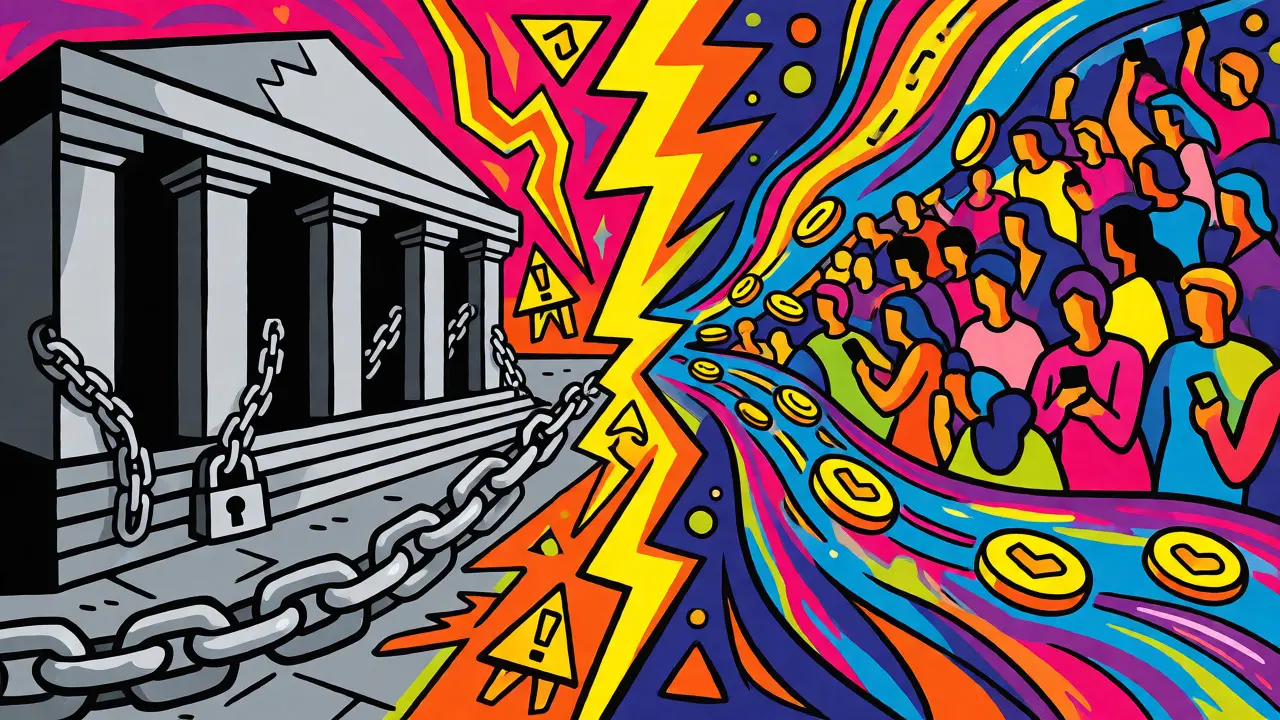
Navigating the Regulatory Minefield
Just because you can trade doesn't mean you're safe. The legal landscape varies wildly. In China, enforcement is aggressive. Beijing reported 1,274 arrests related to "illegal crypto transactions" in Q2 2023 alone. Using a P2P app there requires extreme caution, often involving Tor networks or direct APK downloads since Google Play removes crypto apps in many banned countries.
In Nigeria, the Central Bank issued a banking ban in January 2017. While the ban technically targeted banks facilitating crypto, not individuals, the result was chaos. A 2023 Chainalysis survey found that 22% of Nigerian P2P users had their traditional bank accounts frozen due to crypto-related activity. The fear is real. Users report constant anxiety about sudden account closures.
Vietnam takes a different approach. They haven't banned ownership, but they impose fines of 150-200 million VND ($6,592-$8,790) for using crypto as a payment method. India imposes a harsh 30% tax on crypto profits plus a 1% TDS (Tax Deducted at Source), making trading expensive even if it's legal. Knowing your specific country's stance is critical. Is it a total ban? A banking restriction? Or just a tax trap?
- Total Ban: China, Algeria, Egypt, Morocco, Tunisia. Trading is illegal; penalties include fines or jail.
- Banking Restriction: Nigeria, Bangladesh. Individuals can hold, but banks cannot serve them.
- Tax/Regulatory Burden: India, Vietnam. Legal but costly or heavily monitored.
The Hidden Costs and Risks
You might see a great exchange rate on a P2P ad, but look closer. The spread-the difference between buying and selling prices-is often wider in restricted countries. Why? Liquidity is lower. In regulated markets, order book depth averages $215,000. In restricted zones, it drops to $8,500. This thin liquidity means large trades move the price against you.
Fraud is another major issue. Paxful reported that 37% of fraud cases originated from restricted jurisdictions in 2022. Scammers exploit the lack of regulatory oversight. Common tactics include fake payment proofs or "chargeback scams" where a buyer pays via PayPal, gets the crypto, and then reverses the charge. Always use escrow. Never release crypto before the money is visibly in your bank account or mobile wallet.
There’s also the technical barrier. In countries where crypto apps are removed from app stores, users must download APK files manually. A Blockchain.com survey showed 34% of users faced installation difficulties. Plus, internet connectivity matters. Most P2P platforms work on 2G connections, but slow speeds increase the time between initiating a trade and completing it. Average completion times in restricted markets are 12-18 minutes, compared to 5-8 minutes elsewhere. That delay gives scammers more time to act.

Practical Tips for Safe Trading
If you are new to P2P in a restricted environment, start small. Do not try to move your life savings on your first trade. Use the platform’s reputation system. Look for traders with high completion rates and positive feedback. Avoid new accounts with zero history unless the price is exceptionally good-and even then, proceed with caution.
Payment methods matter. In Africa, mobile money is the gold standard. It’s fast and widely accepted. In Asia, bank transfers dominate. Gift cards are popular but carry higher fees and scam risks. Always match your payment method to what the majority of users in your region use. This ensures faster liquidity.
Keep records. Even if crypto is banned, having proof that you used P2P for personal remittances rather than speculative trading can help if you face questioning. A Nigerian Reddit user shared how saving receipts helped explain a sudden spike in bank activity. Documentation is your shield.
Finally, diversify your platforms. Don’t rely on just Binance or Paxful. If one gets blocked by your ISP or faces a temporary outage, having an alternative like KuCoin P2P or Bybit P2P ready can save you hours of frustration.
Frequently Asked Questions
Is P2P crypto trading legal in restricted countries?
It depends on the country. In nations like China and Algeria, trading is explicitly illegal and punishable by law. In others like Nigeria, the ban applies to banks serving crypto users, not necessarily individual traders, though enforcement is inconsistent. Always check local laws before starting.
Which P2P platform is best for low-KYC requirements?
HodlHodl and Bisq are top choices for minimal KYC. They operate on non-custodial models, meaning they don't hold your funds or strictly require identity documents for every trade. However, this comes with less buyer/seller protection.
How do I avoid bank account freezes when using P2P?
Use separate bank accounts for crypto activities. Avoid mentioning "Bitcoin" or "crypto" in payment memos. Keep transaction amounts modest and consistent. If possible, use mobile money wallets instead of direct bank transfers, as they are often scrutinized less heavily.
What are the typical fees on P2P platforms?
Maker/taker fees usually range from 0.1% to 1%. However, the real cost is the spread. In restricted countries, spreads can be 2-5% higher than global averages due to low liquidity and high demand. Factor this into your calculations.
Can I use P2P for international remittances?
Yes, and it’s often cheaper. Traditional remittance fees average 6.5%, while P2P crypto routes can reduce this to around 1.2%. Many users in Nigeria and Zimbabwe use P2P specifically to send money abroad, bypassing high intermediary costs.