
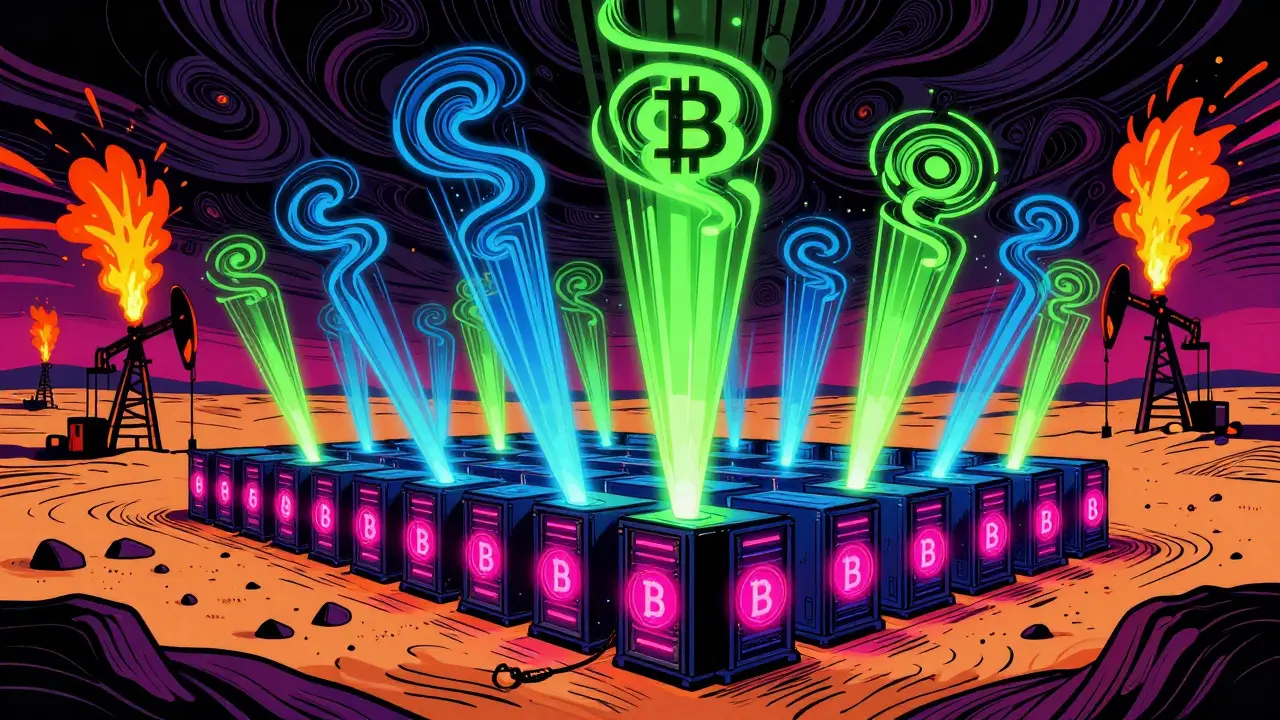
Imagine trying to buy essential goods while your bank accounts are frozen by international pressure. That is the daily reality for businesses and citizens in Iran, a nation that has turned to cryptocurrency as a strategic tool to bypass severe economic sanctions. By July 2026, what started as a niche workaround had evolved into a complex, state-tolerated ecosystem involving massive Bitcoin mining operations, shadow banking networks, and high-stakes exchanges. But this strategy came with a heavy price tag: energy crises, billion-dollar security breaches, and intense scrutiny from global regulators like OFAC (the Office of Foreign Assets Control).
This isn't just about digital coins; it's about survival and sovereignty. Iran’s approach represents one of the most aggressive attempts by a sanctioned nation to weaponize blockchain technology against traditional financial restrictions. However, the story of 2025 and early 2026 reveals a system under immense strain, balancing on the edge between innovation and collapse.
The Energy Trade-Off: Mining Bitcoin at Home
The foundation of Iran’s crypto strategy is surprisingly physical: electricity. Instead of importing foreign currency to pay for imports, the government allowed-and even encouraged-domestic Bitcoin mining. The logic was straightforward. Iran has abundant natural gas, often flared (burned off) during oil production. Why let that energy go to waste when it can power servers to mine Bitcoin, which can then be sold internationally for hard currency?
By 2021, Iran was producing nearly five percent of all new bitcoins globally. This wasn't a grassroots movement; it was state-sanctioned infrastructure. The regime issued licenses for over 10,000 mining farms. These facilities became critical nodes in the country’s attempt to generate revenue without touching the SWIFT banking system.
However, this strategy created a vicious cycle. As mining profitability fluctuated, operators ramped up consumption. During summer heatwaves, when residential demand peaked, these industrial miners competed with hospitals and homes for power. The result? Widespread blackouts. The Central Bank of Iran (CBI) eventually stepped in, not because they hated crypto, but because the grid couldn't handle the load. They ordered the closure of rial payment gateways for exchanges, citing non-transparent financial statements and tax avoidance. It was a clear signal: the state wanted control, not chaos.
Nobitex: The Hub and Its $90 Million Fall
If you needed to move money out of Iran in 2025, you likely went through Nobitex. As the largest cryptocurrency exchange in the country, supporting over 11 million users, it served as the primary bridge between the Iranian rial and global digital assets. For many Iranians, Nobitex wasn't just an app; it was their only access to the global economy.
But being the biggest target made Nobitex vulnerable. On June 18, 2025, the platform suffered a catastrophic exploit. Hackers drained more than $90 million worth of digital assets. This wasn't a minor glitch; it was a devastating blow to the confidence in Iran’s entire crypto infrastructure. The loss highlighted a critical weakness in the state’s strategy: while the government could regulate who mined, it struggled to secure the platforms where value was stored and traded.
Furthermore, data analysis firms like Elliptic linked Nobitex to wallets and behaviors consistent with activity aligned with the Islamic Revolutionary Guard Corps (IRGC). This connection didn't just raise security concerns; it raised geopolitical ones. If the IRGC was using mainstream exchanges to move funds, every transaction became a potential sanction violation for anyone outside Iran.
Shadow Banking and the 0 Million Network
Exchanges like Nobitex were just the tip of the iceberg. The real sophistication lay in the shadows. In September 2025, OFAC targeted a sprawling shadow banking network estimated at $600 million. This network didn't just trade coins; it facilitated over $100 million in cryptocurrency purchases directly tied to Iranian oil sales between 2023 and 2025.
Here is how it worked: Front companies in multiple jurisdictions would use cryptocurrencies like Ethereum and Tron to obscure the origin of funds. Key figures, such as Arash Estaki Alivand, controlled specific wallets that acted as mixing points, laundering the digital proceeds from oil exports before converting them back into usable fiat or other assets. This complexity made detection incredibly difficult for traditional banks, forcing regulators to rely on advanced blockchain forensics.
This network demonstrated Iran’s ability to leverage international front companies alongside crypto. It wasn't just about buying Bitcoin; it was about creating a parallel financial system that operated outside the reach of Western oversight. Yet, the transparency of the blockchain meant that every step left a trace. Firms like Chainalysis developed sophisticated methods to map these flows, turning the immutable ledger into a surveillance tool for enforcers.
Regulatory Tightening: The CBI’s Crackdown
As the risks mounted, the regulatory environment in Iran shifted dramatically in early 2025. The Central Bank of Iran issued comprehensive directives aimed at supervision and control. The message was clear: if you want to play in the crypto space, you do it on our terms.
- Closure of Rial Gateways: Direct payments from Iranian bank accounts to crypto exchanges were banned to prevent untracked capital flight.
- Licensing Requirements: All participants, especially miners, needed strict licenses. Unlicensed operations faced immediate shutdowns.
- Domestic Ban vs. Import Legalization: Using crypto for domestic payments remained illegal to protect the rial. However, crypto payments for imports were legalized, explicitly allowing businesses to bypass sanctions for essential goods.
This dual approach created a confusing landscape for ordinary citizens. While the state embraced crypto for macro-economic goals (importing medicine, machinery), it criminalized its use for everyday transactions. For the average person, this meant navigating a gray market where legality depended entirely on the intent and scale of the transaction.
The Global Response: Enforcement and Intelligence
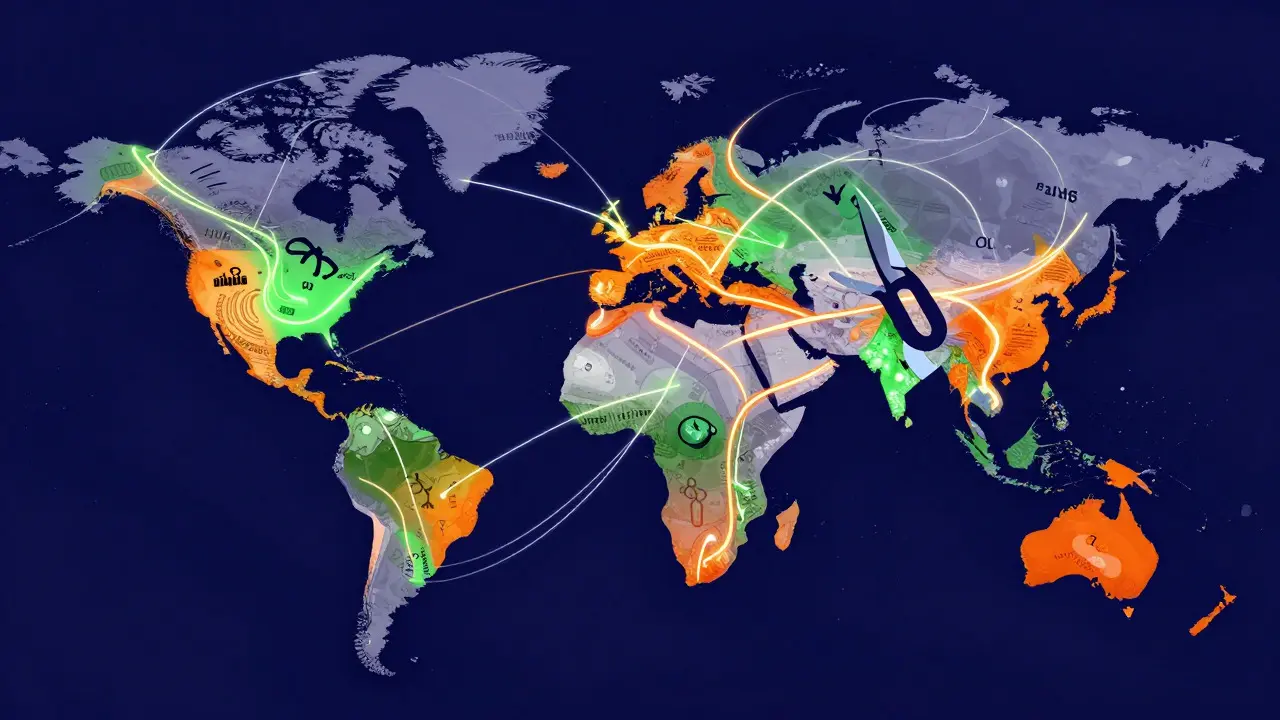
The international community did not sit idle. The combination of blockchain intelligence and traditional law enforcement created a pincer movement around Iran’s crypto activities. OFAC’s designations of specific Ethereum and Tron wallets sent a chilling message to global service providers: touch these addresses, and you risk secondary sanctions.
For businesses engaging in cross-border trade, the friction increased significantly. Legitimate commerce became harder to distinguish from sanctions evasion. Banks and payment processors implemented stricter Know Your Customer (KYC) and Anti-Money Laundering (AML) checks, often blocking any transaction with even a tangential link to Iranian entities. This isolation further pushed Iran toward decentralized solutions, but those solutions lacked the liquidity and stability of traditional finance.
| Component | Role in Strategy | Major Risk/Event |
|---|---|---|
| Bitcoin Mining Farms | Generate exportable digital assets using domestic energy | Strained national power grid; caused blackouts |
| Nobitex Exchange | Primary venue for retail and institutional trading | $90M+ exploit in June 2025; linked to IRGC activity |
| Shadow Banking Networks | Facilitate oil sales and large-scale fund transfers | $600M network targeted by OFAC in Sept 2025 |
| Central Bank (CBI) | Regulate and license crypto activities | Banned direct rial-to-crypto bank transfers |
Why the Strategy Is Backfiring
While Iran’s initial goal was to break through sanctions barriers, the unintended consequences have been severe. The reliance on Bitcoin mining consumed resources that could have been used for other sectors. The energy strain damaged public trust and disrupted daily life. Moreover, the high-profile hacks and OFAC crackdowns exposed the fragility of the system.
Experts note that creating Bitcoin from domestic gas is not the same as exporting oil. The volatility of crypto prices adds another layer of risk. When Bitcoin dips, the value of Iran’s “energy exports” shrinks instantly. Furthermore, the stigma associated with Iranian crypto makes it harder to find willing buyers abroad, forcing traders to accept discounts or use opaque middlemen.
The tension between cryptocurrency’s borderless nature and the geopolitical realities of nation-state restrictions remains unresolved. Iran tried to weaponize crypto against sanctions, but the very transparency that makes blockchain attractive also makes it trackable. As AI-driven analytics improve, the window for effective evasion narrows.
Is Bitcoin legal in Iran?
Yes, but with strict conditions. Bitcoin mining is legal if licensed by the government. However, using cryptocurrency for domestic payments is banned. The Central Bank retains full authority, and all major exchanges must comply with state regulations.
What happened to Nobitex in 2025?
In June 2025, Nobitex, Iran's largest crypto exchange, suffered a major security breach resulting in losses exceeding $90 million. This event shook confidence in the platform and highlighted vulnerabilities in Iran's crypto infrastructure.
How does Iran evade sanctions using crypto?
Iran uses a combination of state-tolerated Bitcoin mining, shadow banking networks, and front companies to convert oil revenues into cryptocurrencies like Ethereum and Tron. These assets are then moved across borders to avoid traditional banking surveillance.
Did OFAC take action against Iranian crypto networks?
Yes. In September 2025, OFAC targeted a $600 million shadow banking network linked to Iranian oil sales. They designated specific wallets and individuals, imposing secondary sanctions on anyone interacting with these entities.
Can foreigners safely trade with Iranian crypto entities?
It is highly risky. Due to extensive OFAC enforcement and blockchain tracking, any interaction with Iranian-linked wallets or exchanges can lead to severe legal penalties and asset freezes for foreign businesses and individuals.
Heather Austin
July 23, 2026 AT 03:24honestly the nobitex hack was just inevitable given how sloppy their security audits were looking for months before it happened. i remember seeing reports about their cold storage protocols being outdated but nobody wanted to listen because everyone was too busy chasing yields. it really highlights that when you build a financial system on sand, eventually the tide comes in and washes it all away. the irgc connection makes it even more messy because now its not just a tech failure its a geopolitical liability for anyone holding those tokens. we need better decentralized exchanges that dont rely on single points of failure like this.
Ran Tao
July 23, 2026 AT 05:10Oh please 🙄 let's not pretend these poor souls are victims of circumstance when they are actively choosing to live in a state run by war criminals. The whole 'survival' narrative is so played out and frankly insulting to people who actually have to deal with real economic hardship without the luxury of hiding behind blockchain obfuscation. They want sanctions? They get sanctions. It's called consequences folks. Stop crying about blackouts when your government burns gas to mine magic internet money while hospitals lose power 😂💀
Michelle Walker
July 24, 2026 AT 03:22The data doesn't lie. OFAC's tracking is becoming nearly perfect. Iran's strategy is failing because they misunderstand the core nature of blockchain. It is transparent. Every transaction is recorded forever. They think they are invisible but they are painting a target on their backs. The $90 million loss at Nobitex wasn't an accident. It was a symptom of a rotting infrastructure built on lies and corruption. Expect more crackdowns soon.
Antony Lopez
July 24, 2026 AT 23:38Let's be clear here. This isn't innovation. It's theft. They are stealing electricity from their own citizens to prop up a regime that hates freedom. The US has every right to crush this shadow banking network. If they want to play in the global economy they should follow the rules instead of trying to cheat their way out of accountability. Sanctions work because they hurt the people who enforce them. Keep squeezing until they break.
Lisa Chong
July 25, 2026 AT 15:06It is absolutely terrifying to think about how much of our daily lives are already monitored through these digital footprints. The article mentions Elliptic and Chainalysis mapping flows but what it doesnt say is that these same companies sell data to governments everywhere. We are living in a panopticon where privacy is dead and Iran is just the first guinea pig for total financial surveillance. The elites want you to believe crypto is freedom but it is actually the ultimate tool for control. Wake up sheeple before they track your coffee purchases next.
Kat Barr
July 26, 2026 AT 09:45I feel so bad for the regular families who just wanted to buy medicine or food and got caught in the crossfire!! 😢 It’s not fair that ordinary people suffer because of politics. I hope things get better for them soon 💖 Maybe if we showed more compassion instead of just sanctions, there would be less need for these risky workarounds. Sending good vibes to everyone affected by this mess ✨🌈
Erika Pozzetto
July 27, 2026 AT 18:47Upon further reflection regarding the intricate dynamics presented herein one must consider the broader implications of such decentralized systems upon the traditional hegemony of fiat currency structures which have long been upheld by western powers as the sole arbiter of value exchange mechanisms thereby creating a dichotomy between the established order and the emergent technological paradigm shifts that are currently reshaping the geopolitical landscape in ways that were previously unforeseen by mainstream economists and policymakers alike who often fail to grasp the nuanced interplay between energy resources and digital asset generation strategies employed by sanctioned nations seeking autonomy from international financial constraints imposed upon them by unilateral executive orders lacking multilateral consensus or legitimacy in the eyes of many developing world populations who view such measures as imperialistic overreach rather than legitimate tools of foreign policy enforcement.
Logan Edmison
July 28, 2026 AT 05:48the problem is we think money is real but its just a story we agree on. iran knows this. they are rewriting the story. when you burn gas to make bitcoin you are turning physical entropy into digital trust. its alchemy really. the grid fails because the body cannot sustain the spirit of the machine anymore. we are all mining something else in our heads. attention. truth. whatever is left. the blackout is a metaphor for the collapse of meaning in late stage capitalism. wake up.
DJ Maleko
July 28, 2026 AT 22:21So basically they are laundering oil money through ethereum and calling it innovation? 🤔 That’s bold. I mean impressive really. But does anyone else notice how every time a sanctioned country tries this, some random hacker drains millions? It feels almost scripted. Like the universe wants to tell us something. Or maybe it’s just incompetence. Either way, watching the IRGC try to act like tech bros is the best comedy show on earth right now. 🍿📉
Shay Thomson
July 29, 2026 AT 19:04We have to understand that desperation breeds creativity. When you are locked out of the SWIFT system, you don't just sit down and cry. You find a way. Yes, there are flaws. Yes, there are hacks. But isn't that true of every financial system? Look at Enron. Look at Lehman Brothers. At least Iran is trying to use technology to survive rather than just hoarding gold bars in a basement. Let's give them credit for trying to adapt to a hostile world. Peace and understanding should prevail over judgment.