
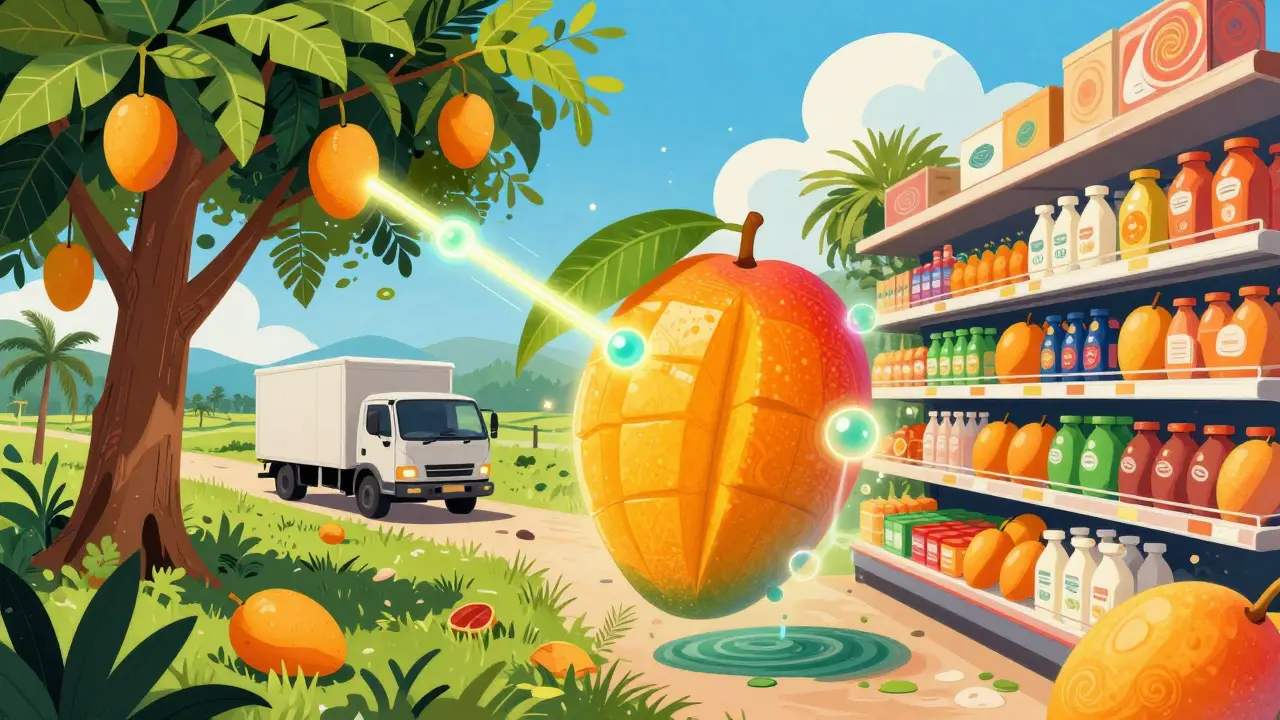
Imagine tracing a contaminated food product in seconds instead of weeks. That's the power of blockchain supply chain solutions, which create transparent, immutable records across the entire supply network. Traditional systems struggle with information silos and manual processes, leading to delays and errors. Blockchain changes that by recording every transaction in a shared ledger that everyone can see but no one can tamper with.
Blockchain is a distributed ledger technology that creates secure, transparent records of transactions. It operates through a network of computers, each holding a copy of the ledger, making it nearly impossible to alter data. This immutability is key for supply chains where trust and accuracy matter.
How Blockchain Solves Supply Chain Problems
Supply chains involve dozens of partners-from farmers to retailers-each with their own systems. This creates gaps where data gets lost or manipulated. Blockchain fixes this by giving everyone access to the same real-time data. For example, when a shipment moves from one carrier to another, every handoff is logged instantly. No more phone calls or emails to confirm locations. No more disputes over who lost a package. The result? Faster deliveries, fewer errors, and lower costs.
Food Industry: Faster Recalls, Safer Products
Walmart uses blockchain to track produce from farm to store. In a 2019 test, they traced a mango's journey in 2.2 seconds-compared to the usual seven days. This speed is life-saving during foodborne illness outbreaks. Companies like Tracifier cut food processing costs by 40% using Oracle Blockchain. Smart contracts automatically monitor temperature, humidity, and vibration for perishable goods. If a shipment heats up, the system alerts suppliers immediately. This prevents spoilage and ensures food safety.
Smart Contracts automatically trigger actions when conditions are met. For example, if a shipment's temperature exceeds a set limit, the contract can immediately notify suppliers and adjust storage. This automation reduces human error and speeds up responses to issues.
Pharmaceuticals: Ensuring Vaccine Safety
During the pandemic, Moderna used blockchain to monitor vaccine shipments. Sensors recorded temperature, humidity, and vibration data directly onto the blockchain. If conditions fell outside safe ranges, alerts went out instantly. This ensured vaccines stayed effective during transport. The technology also helped prevent counterfeit drugs by verifying each package's authenticity from manufacturer to patient. Cold chain monitoring became critical for vaccines requiring -70°C storage, and blockchain made it foolproof.

Luxury Goods: Fighting Counterfeits
De Beers Group tracks diamonds from mine to retail using blockchain. Each diamond gets a unique digital identity, recording its origin and journey. Customers scan a QR code to see the full history, confirming it's conflict-free. This builds trust in high-value goods where provenance matters. Before blockchain, verifying a diamond's source was nearly impossible-now it's quick and reliable. Similar systems are used by luxury brands like LVMH to track handbags and watches.
QR Code Tracking lets customers scan products to access blockchain records. For example, John West tuna cans include traceability codes showing which fisherman caught them. This transparency builds consumer trust and combats illegal fishing.
Automotive: Ethical Sourcing
Ford Motor Company uses blockchain to trace cobalt for electric vehicle batteries. Cobalt mining often involves unethical labor practices, so tracking the supply chain is critical. Ford's system shows where cobalt comes from and how it's processed. This helps ensure compliance with ethical standards and meets regulatory requirements. Similar efforts by BMW and Tesla are also gaining traction in the industry. Blockchain makes it possible to prove materials are ethically sourced-a major selling point for eco-conscious buyers.
Benefits Beyond Tracking
Blockchain isn't just about visibility-it also streamlines payments and reduces costs. Smart contracts automatically pay suppliers when goods arrive, cutting invoice processing time from weeks to minutes. FedEx joined the Blockchain in Transport Alliance (BiTA) to simplify dispute resolution. With blockchain, carriers and shippers can quickly verify delivery times and conditions, resolving issues faster. Overall, companies report 20-30% lower administrative costs from reduced paperwork and fewer errors. Abu Dhabi National Oil Company (ADNOC) uses blockchain to automate oil transactions from well to customer, cutting processing time by 50%.
TradeLens is a blockchain platform developed by Maersk and IBM to track cargo across global supply chains. It connects shippers, ports, customs authorities, and other stakeholders on a single platform. Each shipment's journey is recorded in real time, reducing delays and paperwork. For example, TradeLens cut documentation processing time by 40% for some shipping routes.
Challenges and Solutions
Implementing blockchain isn't always easy. Integrating with existing systems can be complex, and not all partners may be ready to share data. Some companies start small, like tracking a single product line before scaling up. Sensors for environmental monitoring add upfront costs, but the long-term savings usually outweigh them. Training staff and building trust among partners are also key steps. Many find that using established platforms like Oracle Blockchain or IBM's solutions simplifies the process. For example, Oracle's supply chain solutions integrate smoothly with existing ERP systems, making adoption faster and cheaper.
The Future of Blockchain in Supply Chains
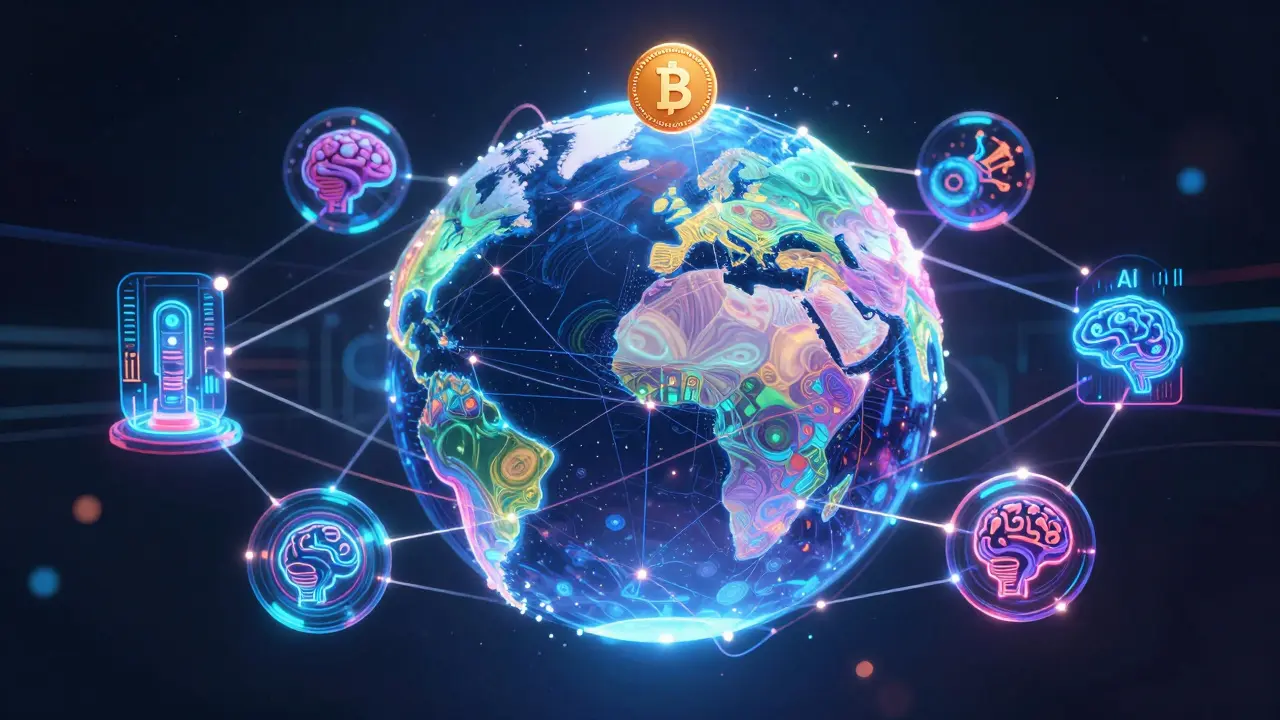
Experts predict blockchain will merge with AI and IoT for smarter supply chains. Imagine predicting delays before they happen using real-time data. Tokenization of goods-turning physical items into digital assets-will make transactions faster and more secure. Decentralized finance (DeFi) platforms could provide instant loans to suppliers based on blockchain records. As more companies adopt the technology, supply chains will become more resilient, transparent, and efficient for everyone involved. Companies like Walmart and Maersk are already testing these next-gen applications.
Frequently Asked Questions
How does blockchain improve supply chain transparency?
Blockchain creates a single, shared ledger where every transaction is recorded and verified by all participants. Unlike traditional systems with siloed data, blockchain ensures that all parties see the same information in real time. For example, when a shipment moves from one carrier to another, each step is logged immutably. This allows companies to track goods from origin to destination without relying on manual updates or third-party intermediaries. The result is complete visibility into the supply chain, reducing disputes and improving trust between partners.
What industries benefit most from blockchain in supply chains?
Food, pharmaceuticals, luxury goods, and automotive industries see the biggest benefits. Food companies need quick recalls to prevent health risks. Pharmaceuticals require strict temperature control for vaccines. Luxury brands combat counterfeiting with provenance tracking. Automotive makers ensure ethical sourcing of materials like cobalt. However, any industry with complex multi-partner supply chains can use blockchain to reduce costs and improve efficiency.
Is blockchain only for large companies?
No. While big players like Walmart and Maersk lead adoption, smaller businesses also benefit. Platforms like Oracle Blockchain and Tracifier offer scalable solutions for startups and mid-sized companies. For example, a small food supplier can use blockchain to prove product quality to buyers, opening new markets. The key is starting with a specific use case, like tracking a single product line, rather than overhauling the entire supply chain at once.
How secure is blockchain for supply chain data?
Blockchain is highly secure because data is encrypted and distributed across multiple nodes. Once recorded, it's nearly impossible to alter without consensus from the network. This prevents fraud and tampering. However, security depends on proper implementation. Companies must protect private keys and integrate blockchain with existing security protocols. While the ledger itself is secure, human error or weak access controls can still create vulnerabilities.
What's the difference between blockchain and traditional tracking systems?
Traditional systems rely on centralized databases where data is siloed between partners. Each party updates their own records, leading to inconsistencies and delays. Blockchain uses a decentralized ledger where all parties share the same data in real time. Every change is verified and recorded permanently. This eliminates manual reconciliation, reduces errors, and provides a single source of truth. For example, a shipment's location is updated instantly across all stakeholders instead of waiting for emails or phone calls.
Ryan Chandler
February 5, 2026 AT 02:00Blockchain in supply chains isn't just a tech buzzword-it's a cultural shift! Imagine a farmer in Ghana tracking their cocoa all the way to a chocolate factory in Belgium. Every step, transparent and verifiable. This isn't just about efficiency; it's about rebuilding trust between people across the globe. The way blockchain connects disparate systems into one unbreakable chain is revolutionary. It's not just data-it's stories, relationships, and shared humanity. This technology is changing how we see our interconnected world. Let's celebrate this unity!
Michelle Anderson
February 5, 2026 AT 11:23Blockchain is overhyped. Period.
Robin Ødis
February 5, 2026 AT 19:01Well, I must address this. Blockchain in supply chains is often misrepresented. Most companies claim to use it, but in reality, they're just using a centralized database and calling it blockchain. For instance, Walmart's mango trace-yes, it's fast, but that's because they're only tracking a tiny fraction of their supply chain. The real issue is integration. Most legacy systems can't talk to blockchain, leading to more problems. And let's not forget the security vulnerabilities. If the private keys are compromised, the whole system is toast. Plus, the original post has typos like 'immutable' misspelled as 'immutible'-which shows how unprepared everyone is. I've been studying this for years, and it's clear this is just a fad. The real solution is better data management, not blockchain. Stop jumping on the bandwagon. Also, the energy consumption of blockchain networks is often overlooked. Many assume it's green, but proof-of-work systems are massive energy hogs. And even proof-of-stake has its issues. Plus, regulatory hurdles make adoption difficult. It's not as simple as everyone thinks.
Brittany Coleman
February 7, 2026 AT 07:45Blockchain offers transparency but it's not the only solution. We need to consider other technologies too. It's important to balance innovation with practicality. Maybe this is a step forward but not the end all.
Michael Sullivan
February 7, 2026 AT 20:00Michelle, you're ignoring the facts. 🤦♂️ Blockchain's energy use is a myth-proofed by studies. The real issue is bad implementation. Stop being negative. 💯
Molly Andrejko
February 9, 2026 AT 11:56Robin, I appreciate your detailed thoughts! However, it's important to remember that blockchain adoption is still in its early stages. Many companies are working hard to integrate it effectively. Let's support each other in learning about this technology. There's so much potential! 😊
Alisha Arora
February 9, 2026 AT 18:56Robin, you're way too negative. Blockchain is actually helping many small businesses. Like farmers in India using it to track crops. It's not perfect, but it's better than before. Stop being so critical.
Joshua Herder
February 11, 2026 AT 12:02Michael, you're so sure about energy use? Have you considered that Bitcoin's energy consumption is a problem, but blockchain isn't Bitcoin. But honestly, most supply chain blockchains use proof-of-stake, which is way more efficient. But even then, it's all about the implementation. I've seen cases where it's been a disaster. The hype is real, but the reality? Not so much. People are too eager to jump on the blockchain bandwagon without understanding the downsides. It's a classic case of 'new shiny thing' syndrome. We need to be realistic, not just cheerlead. This tech has potential, but it's not a panacea. Let's not ignore the challenges. Also, data privacy concerns are often overlooked. Blockchain's transparency can be a double-edged sword. And interoperability between different blockchain systems is a huge issue. Plus, the cost of implementation is prohibitive for many small businesses. It's not a silver bullet.